iPhone adopted by the University of SA

South Australia's largest university will support the Apple iPhone 3G as one of its official corporate mobile handsets, the institution revealed yesterday.
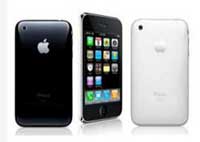
This represents the first confirmed move by a large Australian organisation to officially support Apple's handset, which was released to great local fanfare last month.
In tender documents recently published by the University of South Australia, potential suppliers were asked to choose handsets from a short-list that included models from Nokia, HTC and Apple. Research in Motion's BlackBerry device was not listed.
Currently, the university has 578 corporate mobile phones, with 183 enabled for high-speed 3G services, allowing users to browse the internet and use email. On average the institution replaces 150 handsets each year.
The tender document also revealed that the university had put a large chunk of its telecommunications spend on the market. It was looking for mobile voice and data as well as some PABX-based services. However, the documents did not mention data carriage, PABX hardware, maintenance or teleconferencing services.
The university said it wanted to reduce the cost of telecommunications services — while not compromising on quality or coverage — by purchasing services using an aggregated university-wide approach.
Officials declined to comment on the move or why it had specified the need to support Apple's iPhone.
The university currently uses Ericsson PABXs to route calls, with carriage being provided by a range of providers including Telstra, Optus, AARNet, Silk Telecom and the SABRENet Network built by Amcom.
The new iPhone has been positively received by local chief information officers, since its launch last month.