Qantas pilots in-flight SMS


update National carrier Qantas has been given the green light to start testing in-flight mobile phone services.

The Australian Communications and Media Authority (ACMA) late yesterday gave the thumbs-up for a limited evaluation of GSM mobile phones and GPRS devices, but only for one commercial aircraft.
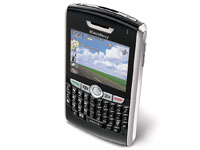
According to a Qantas spokesperson, the three-month trial will involve a Boeing 767 plying domestic capital cities.

Qantas has decided to limit the pilot to e-mail and text, and disable voice services. The spokesperson said global roaming rates for SMS and e-mail will be charged, and added that once the evaluation ends, Qantas will decide if voice calls should be tested.

"We're just starting this so we'll see how it goes," he added.

Qantas said passengers wanting to send or receive an SMS will need international roaming activated, and a GSM mobile phone. To send or receive e-mail messages, a GPRS-enabled device would do.

The carrier first flagged plans to conduct the trial in August. Telstra, Panasonic Avionics and AeroMobile will be part of the exercise.

"We have asked our business travellers about the concept, [and] the overwhelming majority felt the service was a good idea, particularly e-mail access.

"This evaluation is the first step towards building a product which will support our customers' business and communication needs into the future," Lesley Grant, Qantas group general manager (Customer Product and Services), said in a statement.

ACMA has granted Qantas a 12-month licence to test mobile telephony on-board. "Qantas can decide when and how often trials are conducted within this period," ACMA spokesperson Donald Robertson said.

British-based AeroMobile is leading the way in in-flight mobile phone use. Late last year, Emirates appointed the company to offer talk and text services for one of its Boeing 777s but the service has hit a brick wall due to lack of regulatory approvals.

Earlier this month, federal regulators in the US said it will drop an inquiry into relaxing a ban on in-flight mobile phone usage.

Advertisement

Talkback 2 comments

    Mobile Services in-flightJongleur -- 19/04/07

    No no no no no no no no no no no no no no no no no no no no no no no no no no no no no no no no no no no no no no no no no no no no no no no no no no no no no no no no no no no no!!!!!!

    RingTones, beeps, "you've got (e)mail", it is bad enough in the office, but trapped on a flight? Most are loud and annoying, and that's the users!

    Cell Phones in FlightEmanuel Molho -- 21/04/07

    Is it really necessary to use cell phones on planes and in cars, especially when there is the real possibility of potential danger? How about a modicum of quietness for those who cannot bear the self-important, insufferable boors who subject all of us to their cell phone stupidities?

    Cell phone addicts are unconscious, disrespectful, discourteous and obnoxious. Public transportation and areas; doctors' offices; theaters; restaurants; checkout lines; just about everywhere. In their own dream world walking like zombies in the street, or "driving" their cars. Their business, everyone's business. Unable to bear silence or be by, or with, themselves for a moment. Totally oblivious to---and inconsiderate of---their neighbors.

    Cell phones will be as ubiquitous in airplanes as they are in places where we are all held captive. These (ab)users ought to be relegated to their own soundproof cabin, compelled to suffer one another's inanities. For the entire flight.

    I, and hopefully those who share these feelings, will give our business to the airlines that have the sense to ban them.

    Emanuel Molho
    New York, NY

Add your opinion


Latest Videos

Blogs

  • David Braue Will Rudd's bush backhaul bonanza deliver?
    Rural areas will be welcoming the government's decision to put its money where its politicising is, funnelling $250m into a regional fibre upgrade to six rural centres. Remedying over a decade of near-neglect at the hands of telecoms privatisation, the investment could be the firmest step yet for Labor's NBN dream — but with inevitable political questions and a looming election, Rudd and Conroy need to deliver, and quickly, to preserve the NBN's credibility.
  • Array Doing for AV what VoIP did for telephony
    Sydney-based start-up Audinate is making traditional analog cabling obsolete in favour of TCP/IP-based networking technology. And it's doing a pretty good job so far, with its technology used by World Youth Day and the Sydney Opera House.
  • Array WiMax in Australia: Part two
    WiMax could be the standard that drives the next phase of mobile broadband, it provides an opportunity for players wanting to establish a pure IP network to carry voice and data effectively — but is this what operators want?
  • More blogs »

Tags

Back to top

Featured